
Youth-Centered Mobility Research, Decision-Making, and Design
An action plan to support young pedestrians' everyday urban mobility
Year: 2025
Building on cityLAB's youth mobility and public space research, we received a generous grant from the UC Institute of Transportation studies to review the current state of literature on youth participation in urban mobility research and design and to create an action plan for future community-engaged research.
Each day, young people travel through the city to home, school, activities, and in between. Children and youth are primary users of urban sidewalks, streets, and transit environments, but our public realm infrastructure does little to reflect or support these journeys. In many neighborhoods, young pedestrians' daily travels are characterized by poor sidewalk maintenance, limited shade, unsupportive bus stops, and a lack of spaces for seating, resting, and socializing. We know that the safety and social vitality of everyday urban mobility can be improved through creative, responsive interventions in public realm design and programming. And we also know that if we listen to young people themselves, we can better understand the mobility infrastructures and policies we need.
WHAT WE KNOW
State of the literature on youth participation in urban mobility research and design
The urban built and social environment is central to the safety and social vitality of young pedestrians’ everyday travel. But while we appreciate the importance and impact of youth-centered urban design interventions, youth-centered research and decision-making processes remain rare. The under-representation of children and adolescents in research and decision-making regarding the everyday mobility environments that directly affect them diminishes their urban citizenship, reinforces mobility injustices, and diminishes their participation in everyday life. If designers, researchers, and policymakers are to better understand and respond to young peoples' mobility needs, we need to make space for them both on sidewalks and in research processes.
WHAT’S WORKING
Promising youth-centered strategies in urban mobility research and practice
Conventional constructions of children and youth as vulnerable and dependent limits their spatial freedom in the city as well as their agency in mobility research and decision-making processes. These biases are reinforced by dominant urban design and planning cultures that continue to exclude young people. When youth are included, they may be objectified or tokenized – research “on” rather than “with” children and adolescents. But promising, youth-centered strategies are emerging to ethically and effectively engage young people in mobility design and research, and to empower them as active participants in decision-making processes. Here's what we know is working.
Reframing research: Positioning youth as partners and collaborators in mobility research
Integrating youth as collaborators - not just participants - in research and design processes means trusting their capacity to contribute to the research process by identifying important issues and areas for change and co-creating knowledge by designing, conducting, analyzing, and sharing results with relevant audiences.
Such co-design, co-creation, and co-analysis strategies require critical reflection on power relations between researchers and participants. But the outcomes are impactful: empowering youth as co-researchers not only produces rich data that centers young people's lived experiences, but also supports youth to engage in urban political and social issues in the future.
Adopting elements of participatory action research and community-based participatory research frameworks, and building strong partnerships with community-based organizations serving youth like schools and after-school programs, can further support youth participation and trust in participatory mobility research.
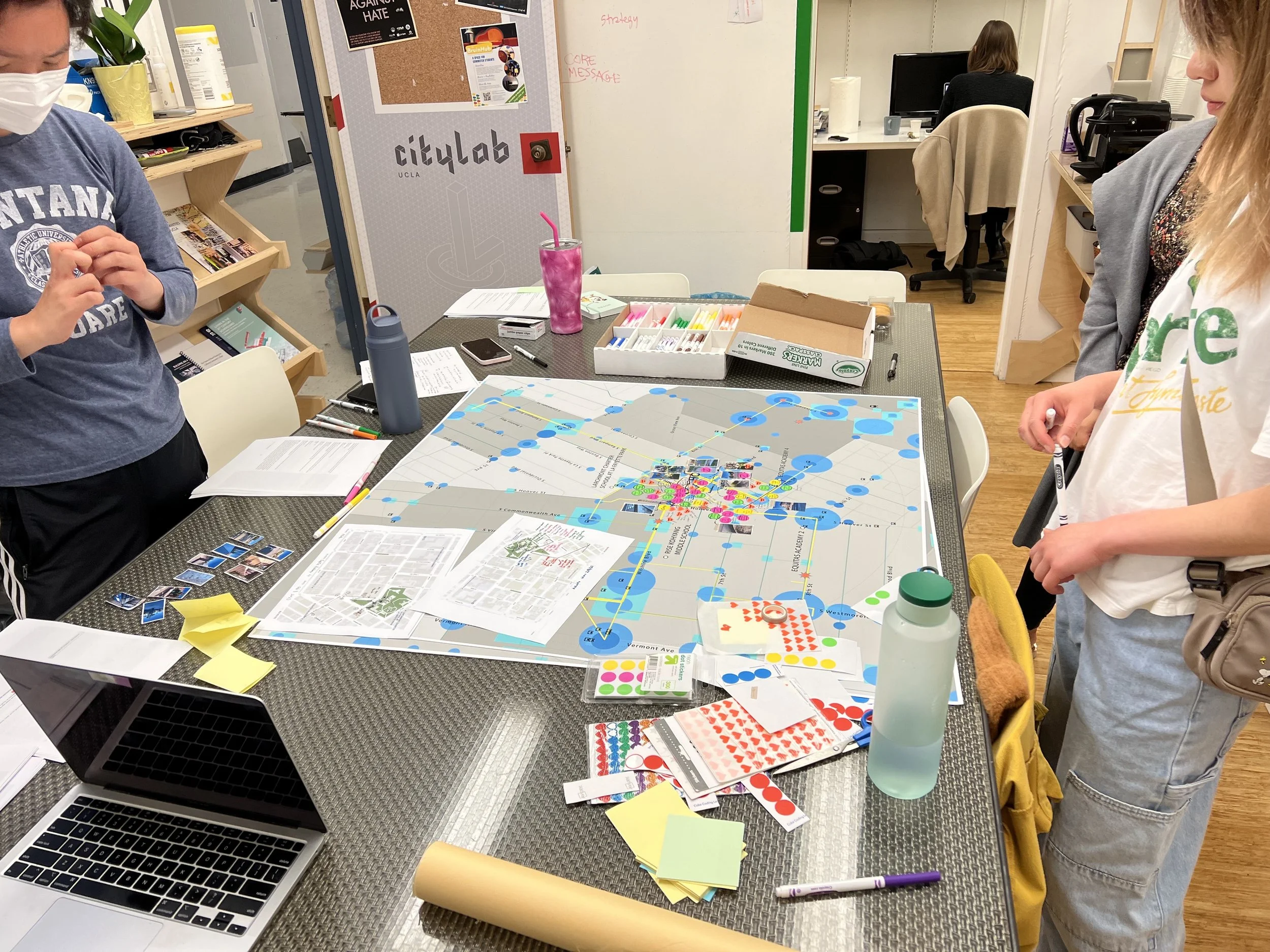
Connect to a project in process
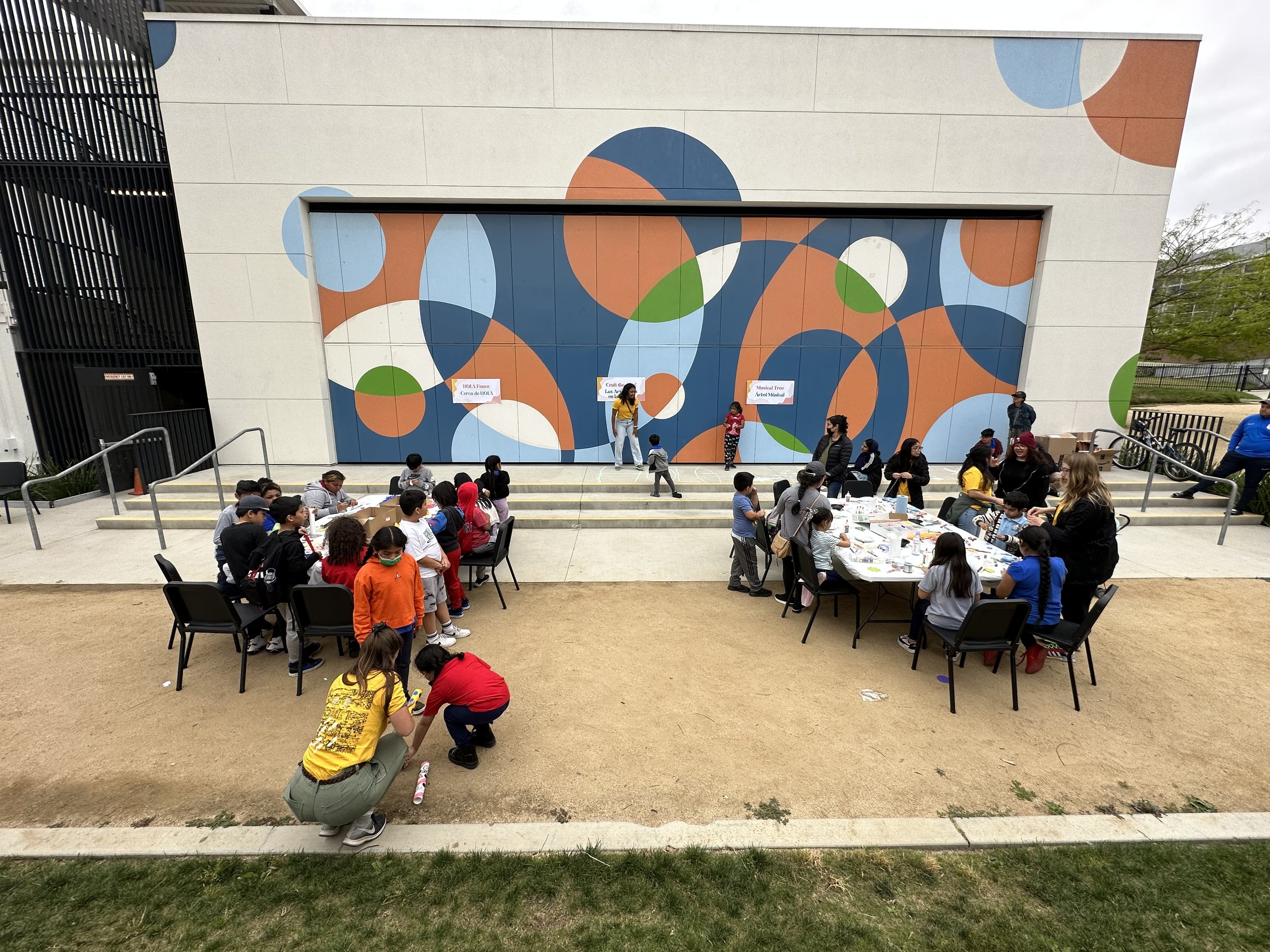
In collaboration with public agencies responsible for the sidewalks and right of way, build a partnership in advance of a planned local public realm renewal or safe routes to school enhancement project. Develop a youth-centered research component, in partnership with a school or community-organization in the neighborhood, to complement conventional public consultation processes. Participating youth have the opportunity to learn about urban planning and design processes and to articulate their needs for the future, while public agencies have access to the expert knowledge of young pedestrians to ensure the project is effective. The success of this strategy requires ensuring there is room for youth-generated ideas to affect final project outcomes.
Develop a youth mobility advocacy curriculum
In partnership with a school or community-based organization serving youth, develop and deliver a sustained curriculum centered on youth mobility and advocacy. Guide participating youth through the process of understanding and reflecting on their everyday mobility environments, and equip them with the language, spatial literacy, and understanding of civic and policy processes to effectively articulate their ideas and needs for the future of their neighborhood sidewalks and public spaces. At the conclusion of the curriculum, work with public agencies to develop a youth advisory committee to offer youth a longer-term opportunity to contribute to policy and decision-making about the public realm, and to offer policy makers the opportunity to engage and access youth experiences and insights.
Trace, measure, and evaluate outcomes
For all projects, develop longer-term plans and evaluation strategies to trace progress over time, assess outcomes, and demonstrate evidence of impact. Involving young people shouldn't end with the research process; it is essential to ensure that youth perspectives, ideas, and needs inform material changes in the urban public realm and in active transportation policy. Youth participation should be tracked carefully and research teams should be responsible for ensuring that outcomes are realized in policies and in physical changes to the built environment. A commitment to following a youth-centered mobility project through to implementation is critical to ensuring that youth agency is translated into action.


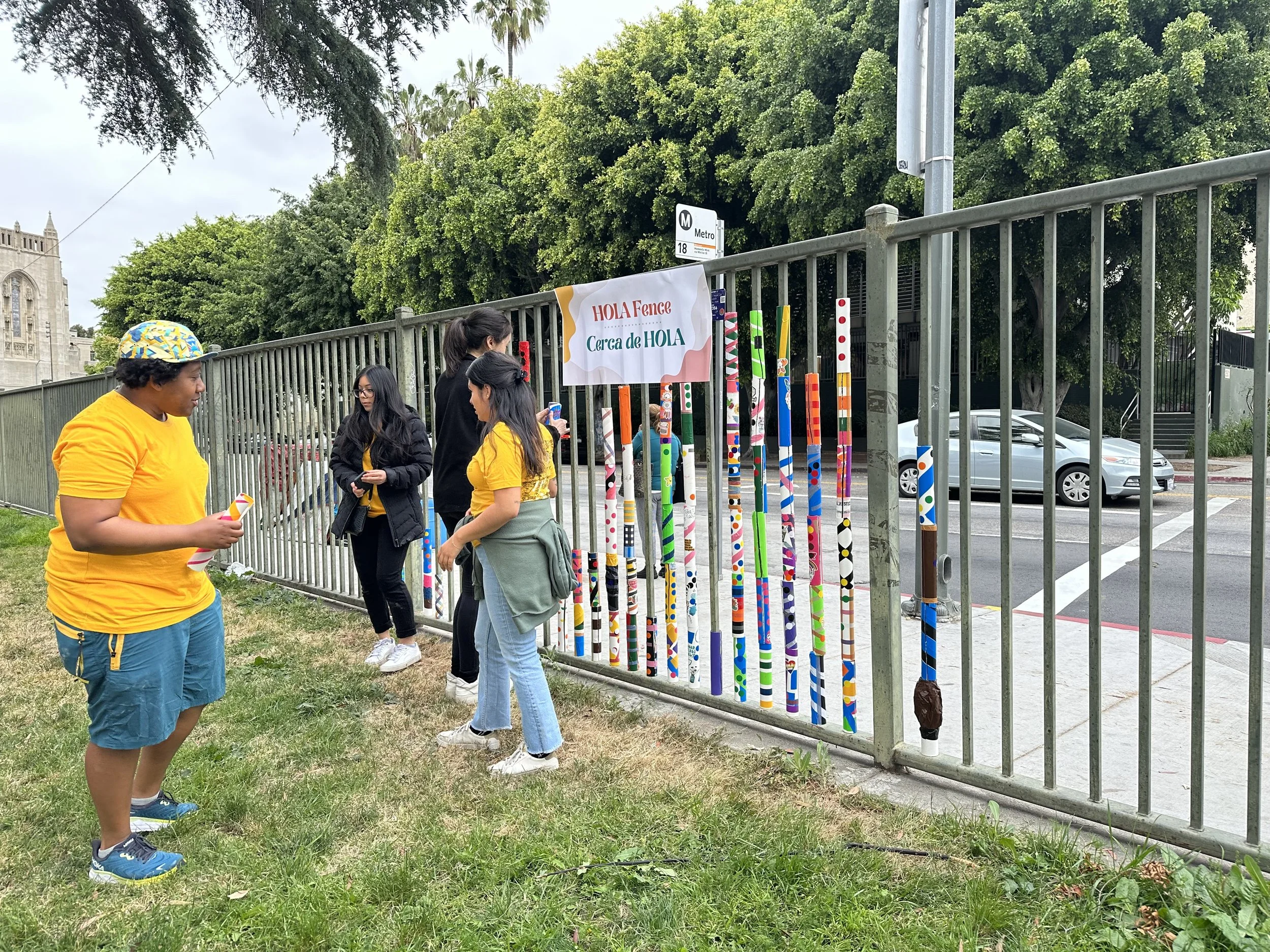
Remixing methods: Adopting mobile, map-based, and narrative methods that elevate youth voice
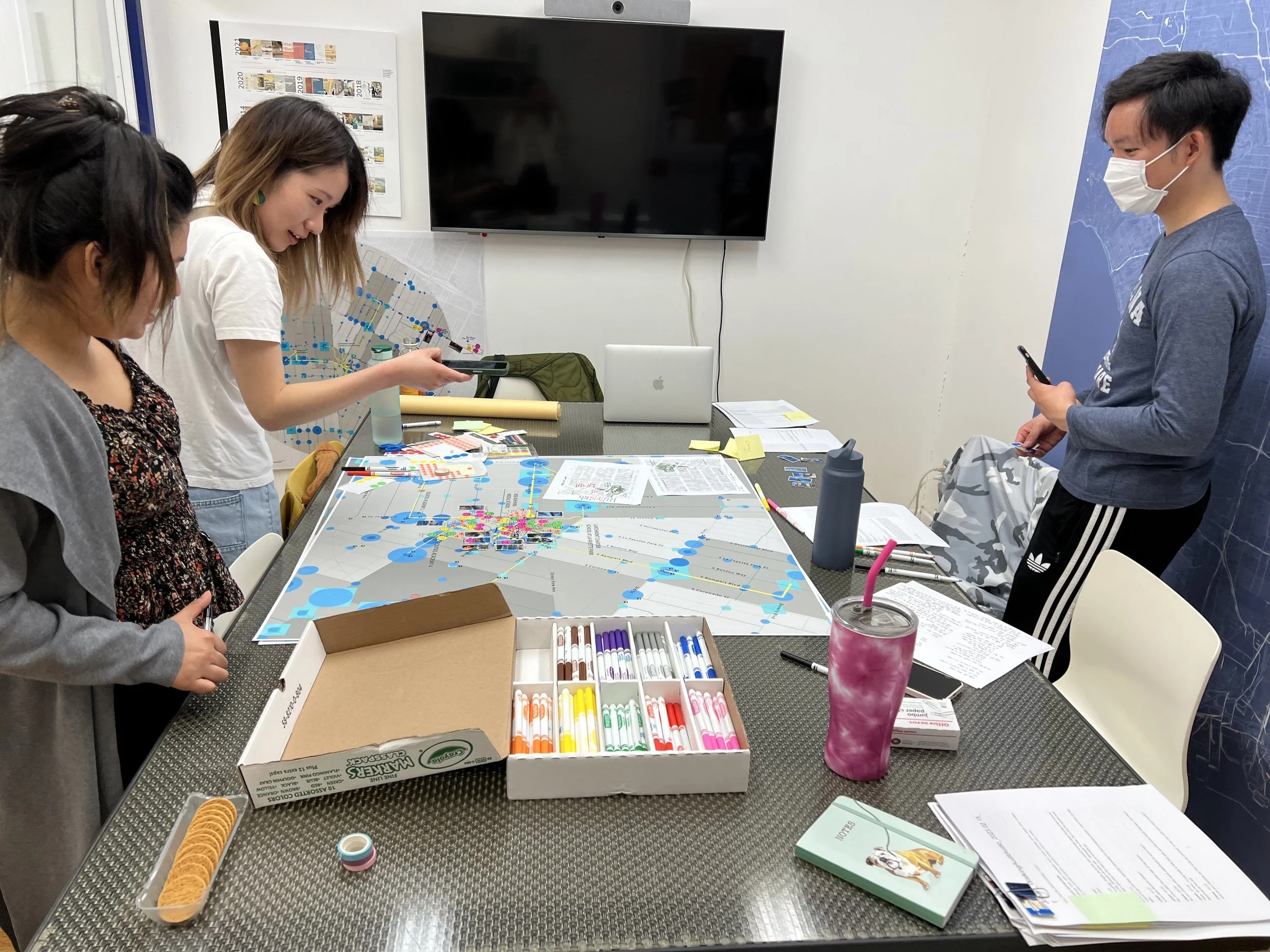
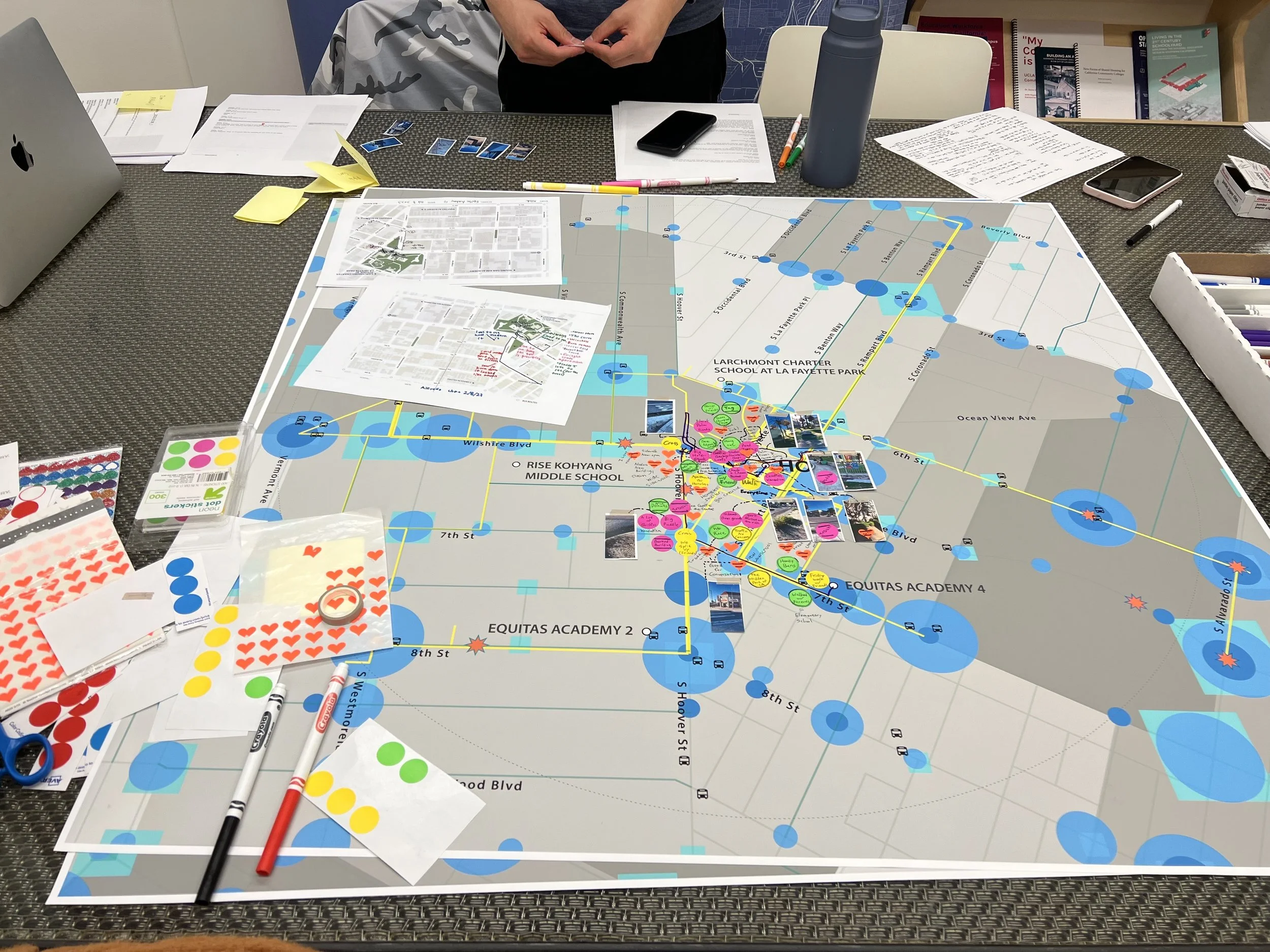
Using a mix of interdisciplinary methods for youth-centered mobility research can support youth to express themselves in different formats and through different mediums - walking, writing, drawing, photography, discussion - and can reveal a fuller picture of youth mobility. A suite of qualitative and quantitative methods can capture the voices, values, and experiences of young people of a range of ages and abilities.
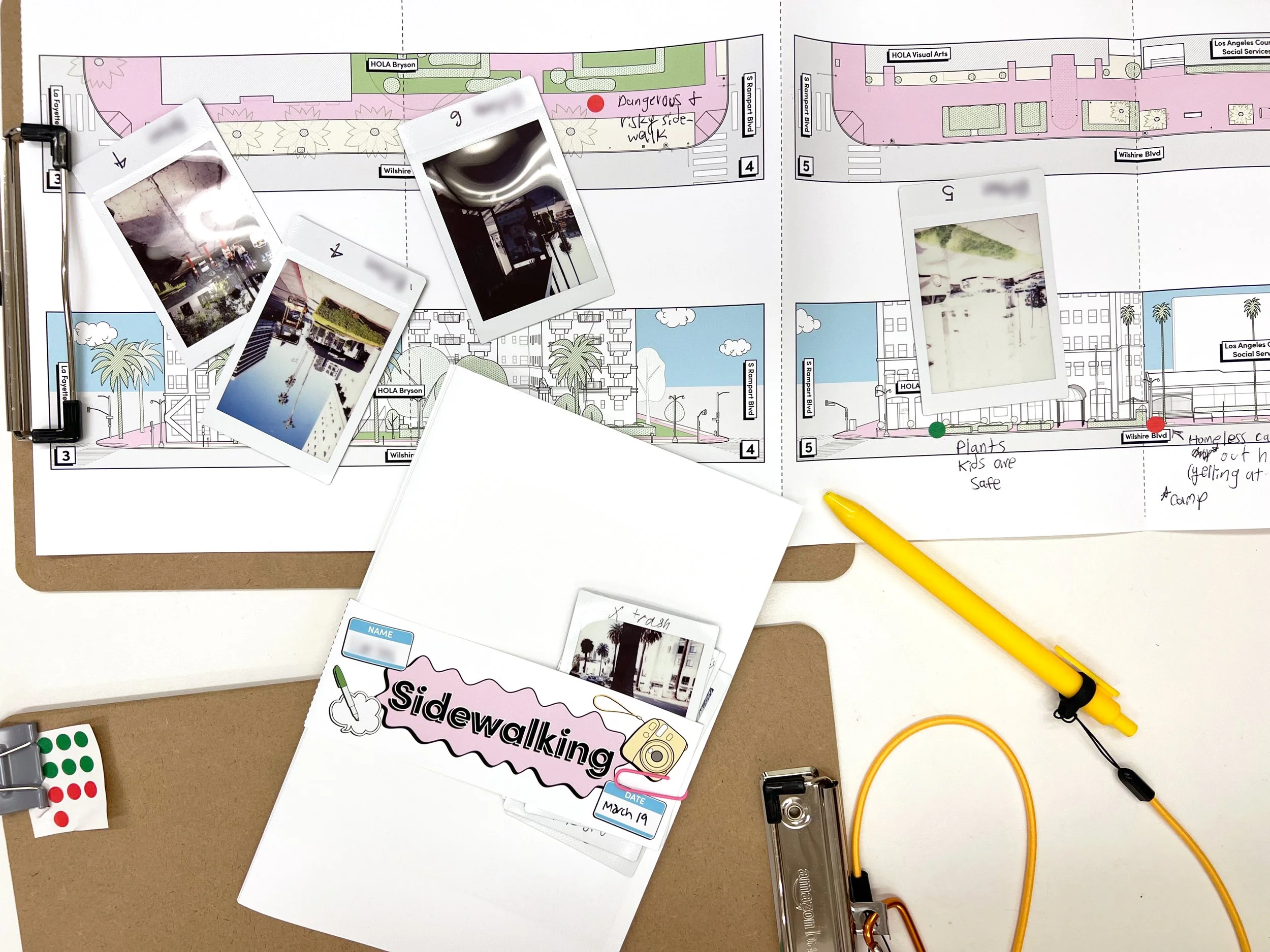
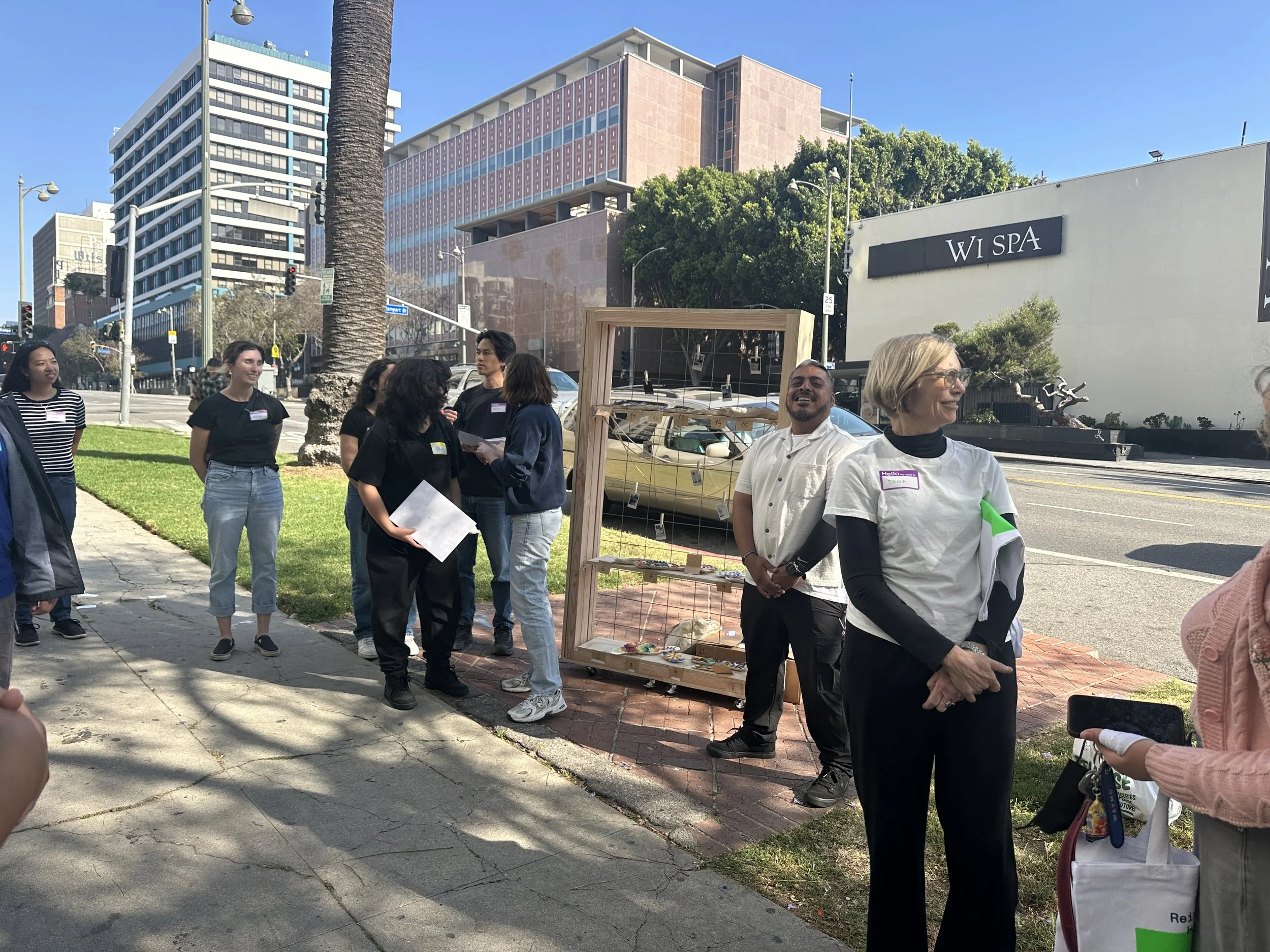
Mobile methods, like guided walks, walking audits, and walking interviews, put researchers directly in the space and time of the youth mobility experience, and can capture the important details and affective experience of walking in the city. Youth-led walks can further establish young people as experts of their own mobility environments.
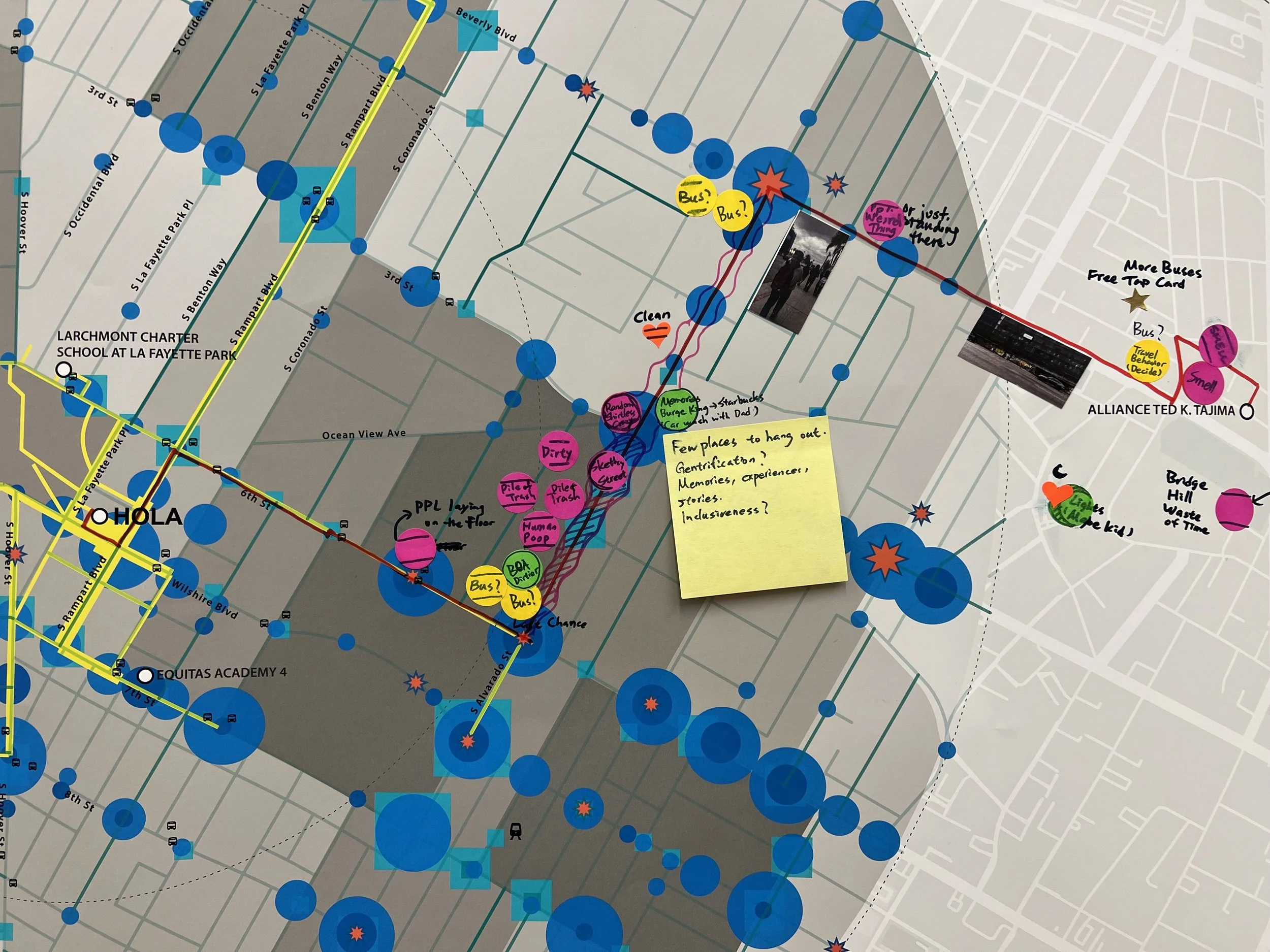
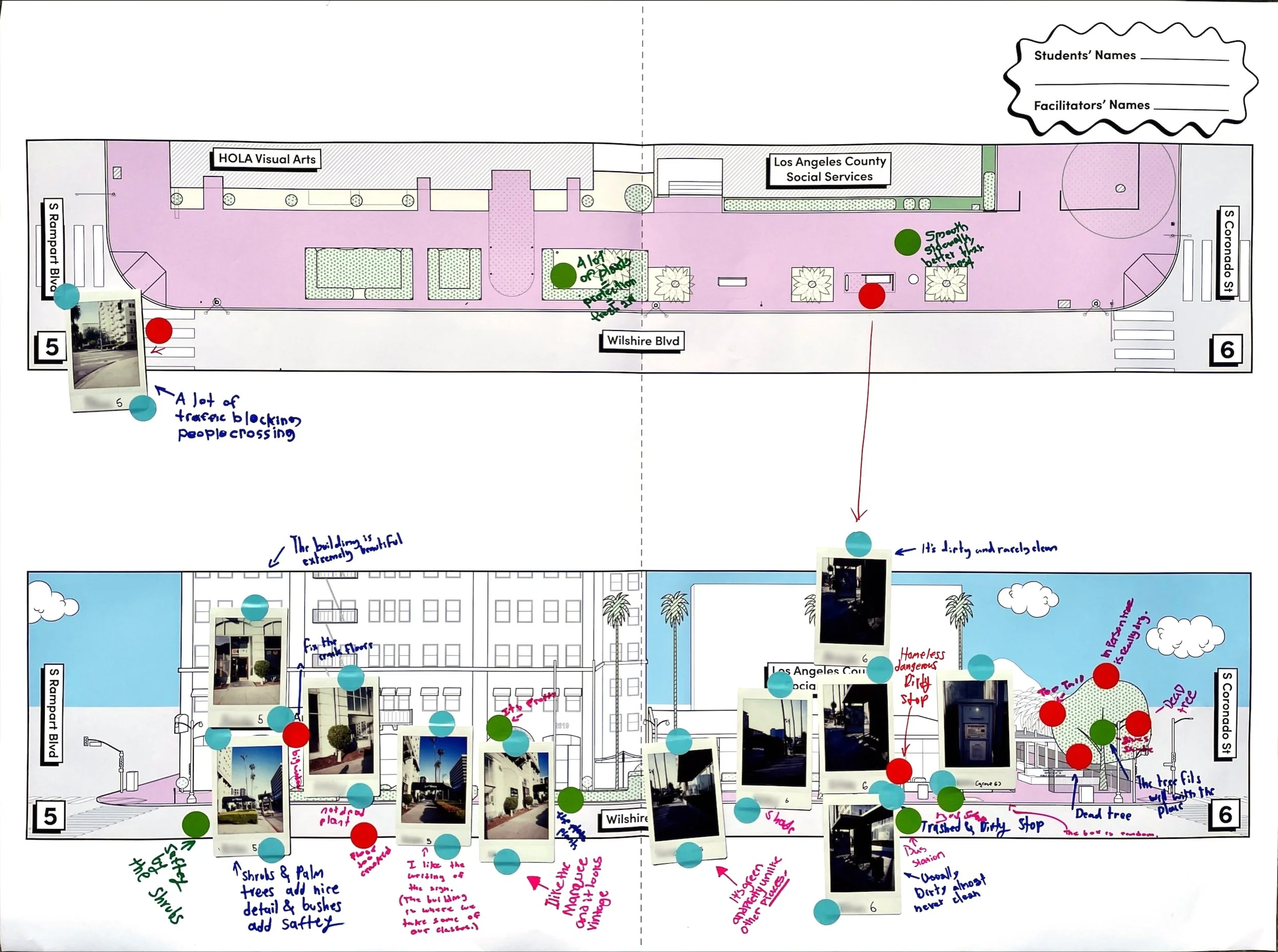
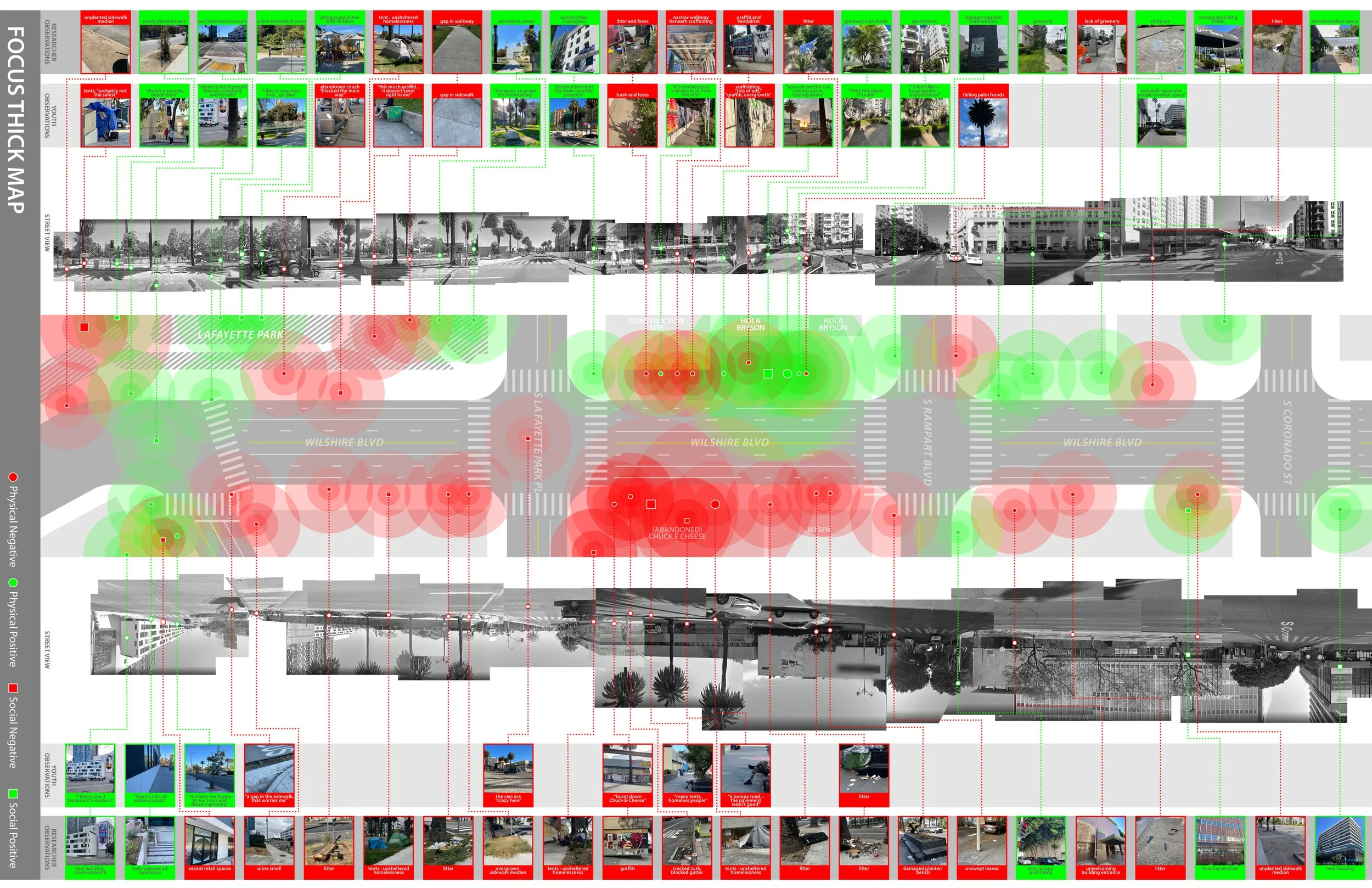
Mapping exercises, including digital and hand-drawn maps and mental mapping practices, can empower youth to collect and reflect on their daily travel, assuming a more active role as co-researchers. Mapping allows for in-depth analysis of movement patterns, and is well-suited to the diverse cognitive and communicative capacities of young people.
Arts-based approaches, including drawing and photovoice, allow youth perspectives to take precedence and shift power toward participants. Photovoice centers the lived mobility experience of young people, but also allows them to craft a story about shared issues and articulate ideas for change.
Storytelling activities, whether used in combination with the above approaches or alone, further center youth ideas and minimize barriers to participation. Interviews and focus groups can uncover information overlooked by other methods and help youth identify shared mobility experiences and needs, nurturing collaboration and communication.
Reorienting outcomes: Mobilizing youth mobility knowledge toward advocacy and action
Gathering insightful information about youth mobility experiences and needs is not enough; researchers must move beyond describing the problem toward developing solutions - translating youth mobility research into action.
Creative knowledge dissemination and translation practices are needed to connect research with public policy, urban design, and health agendas. Research outputs should be customized for various audiences - policy reports, technical toolkits, gallery exhibitions, news media - all centering youth voices through quotes, photos, and drawings.
Advocacy efforts extending from youth mobility research may involve youth directly in developing and delivering campaigns for policy, programming, or design changes. This picks up on the sense of empowerment and enthusiasm may youth feel through participating in youth-centered built environment research. Young people can lead advocacy campaigns for changes to their mobility environments by sharing presentations, press conferences, youth-led walks, and tactical urbanism demonstrations projects, positioning youth as visible and vocal advocates for their own mobility needs, and influencing the work of policymakers and designers.
Policy integration is critical, and efforts should be made to ensure insights generated from research inform physical improvements in the built environment and changes to public policies and decision-making processes. Launching research in collaboration with a public agency planning to transform the public realm can provide a pathway to integrating youth voices into future changes. Youth-led advisory councils or cabinets in local government are another strategy to shape public policy and planning efforts in an ongoing and sustained way.
Credit
Claire Nelischer
Partner
Heart of Los Angeles (HOLA), StreetsLA, LADOT, UC Institute of Transportation Studies
WHAT’S NEXT
Action plan for research, design, and advocacy to support youth mobility and agency
Understanding the barriers, benefits, and promising strategies to engage youth in research, decision-making, and design for mobility points us towards some promising avenues for future research and collaboration here in Los Angeles and beyond.
Pilot interventions in the street
Working directly with youth, develop, design, fabricate, and install a series of infrastructural enhancements on the sidewalk with the goal to improve their mobility experiences. Develop an evaluation approach that accounts for qualitative and quantitative measures of success. Interventions may be temporary or more permanent, but with potential to be scaled up on site and across the city. The success of this strategy requires collaboration and commitment from the relevant public agency responsible for the sidewalk and right of way to facilitate permitting and installation.
This study was made possible with funding received by the University of California Institute of Transportation Studies through the Road Repair and Accountability Act of 2017 (Senate Bill 1). This action plan is disseminated under the sponsorship of the State of California in the interest of information exchange and does not necessarily reflect the official views or policies of the State of California.